
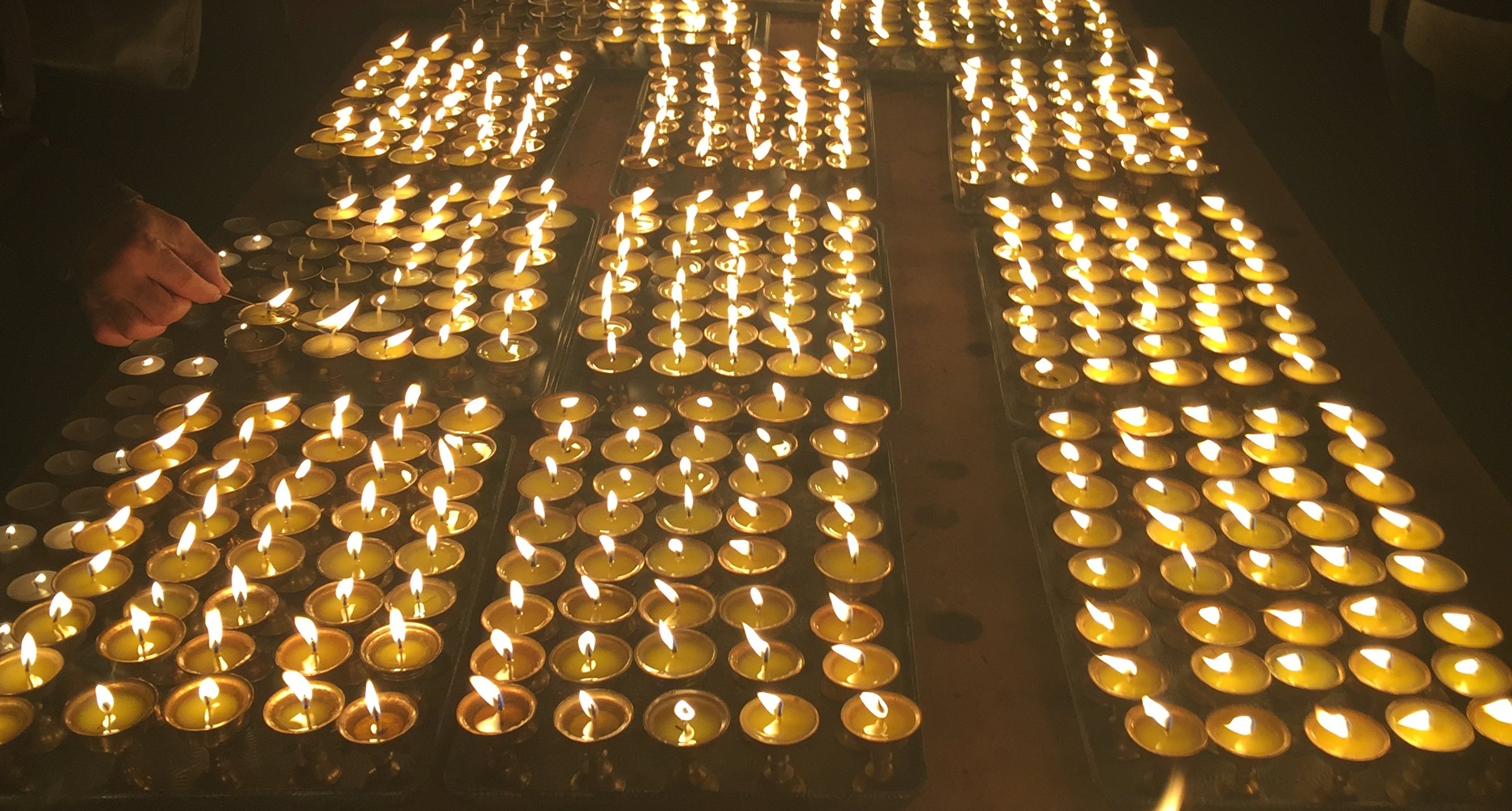
Zul is one of the most important holidays in the Kalmyk calendar. In 2026 it falls on Thursday, December 3, according to the lunar calendar used at the Golden Abode of Buddha Shakyamuni in Elista. The day is an official public holiday in the Republic of Kalmykia and is widely observed by Kalmyk communities in Russia and in the diaspora.
The name Zul comes from the Kalmyk word for a butter lamp or oil lamp. Lighting lamps is the central act of the holiday. The festival combines two meanings. It is the traditional Kalmyk winter New Year, when every person symbolically adds one year to their age. At the same time it commemorates the parinirvana of Je Tsongkhapa, the founder of the Gelug school of Tibetan Buddhism, which Kalmyks have followed for centuries. The Buddhist observance is also known as Zul Khural or the Festival of a Thousand Lamps.
In the weeks before Zul, the Central Khurul in Elista holds a series of life-extending rituals called Nasn utdullhgn. In 2026 these take place on the weekends of November 14-15, 21-22, and 28-29, from 9:00 AM to 11:30 AM. Devotees join the monks in prayers to Buddha Amitayus, White Tara, and Ushnishavijaya for long life, the removal of obstacles, and the strengthening of vital energy. These services prepare the community for the main holiday.
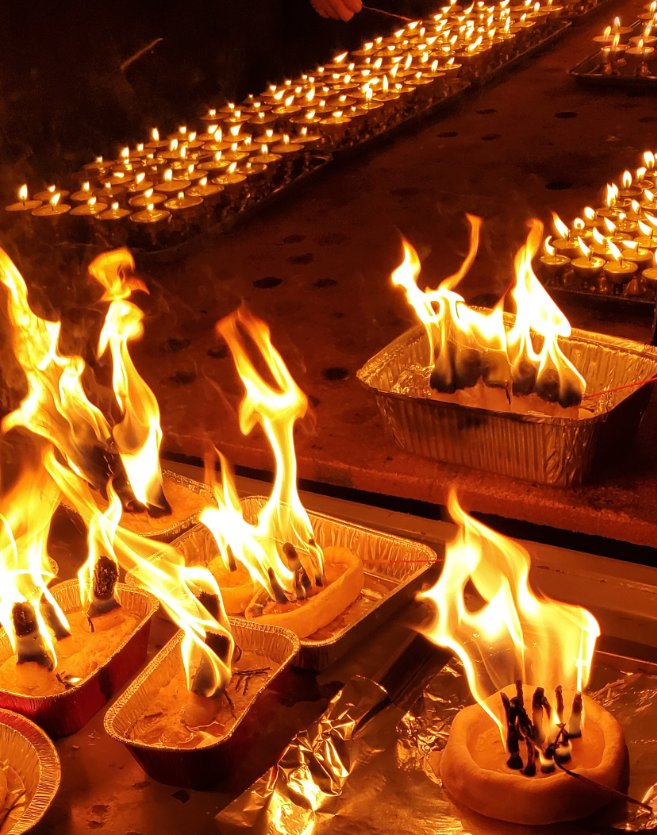
On the day of Zul itself, families light special lamps known as “boats of life.” Small boat-shaped forms are made from dough. Into each boat are placed wicks of grass or straw equal to a person’s age, plus one or two extra strands as a request for additional years. The wicks are soaked in clarified butter and lit when the first stars appear in the evening. The lamps are allowed to burn out on their own. This ritual, called nasn avakh or us avah, is performed in homes and is the most distinctive family custom of the holiday. Many families also light a second lamp with nine wicks, a number considered auspicious.
At the temples, monks conduct special prayers dedicated to Tsongkhapa and light hundreds or thousands of butter lamps. Families bring offerings and receive blessings. In homes, people prepare traditional Kalmyk tea (jomba) and bake bortsg biscuits. Fresh tea and some biscuits are placed on the household altar as offerings to the deities and ancestors before anyone eats. On this day people are encouraged to perform good deeds, offer well-wishes, and avoid harmful actions.
In the diaspora, Zul is also marked with community gatherings. In 2026 a concert dedicated to the holiday is scheduled for December 5 in Moscow, featuring Kalmyk singers, dancers, and traditional music. Kalmyk families in the United States and elsewhere often light lamps at home or attend local temple services on or near the date announced by the Central Khurul.
Zul remains a living bridge between the older nomadic calendar and Buddhist practice. It is both a day of collective renewal, when the whole people grows one year older together, and a day of spiritual remembrance. The light of the butter lamps symbolizes the warmth and hope that carry families through the winter months.